







Search Results for: Rural Coffee Culture

Returning youth unlock a new way to use a charcoal-fired moka pot, sparking heated discussion with creative rural coffee brewing
As coffee culture continues to gain popularity in China, more and more young people are bringing their urban coffee habits back to the countryside. During this year's Spring Festival, a netizen posted photos on Xiaohongshu of making coffee with a charcoal stove paired with a moka pot, quickly sparking lively discussion among those returning to their hometowns. In the comments section, netizens eagerly "volunteered for battle," using everything from fire tongs and steamer racks to heating stoves as makeshift coffee bases. Meanwhile, others used pour-over kettles, thermos flasks, and even teapots to experiment with countryside pour-over coffee. This coffee experiment, full of creativity and festive spirit, showcases the ingenuity and enthusiasm of coffee lovers while also reminding everyone to pay attention to the safe use of equipment. Front Street Coffee always pays attention to the diverse expressions of coffee culture, savoring this unique rural coffee charm together with you. [more…]

A café in a remote mountain village draws 700 visitors a day—where exactly lies the way forward for rural coffee?
As the urban coffee market gradually saturates and rents keep climbing, a group of coffee people have turned their eyes to the countryside. Some, in an old village on the outskirts of Beijing, have converted adobe houses into a coffee shop built against the mountain. On ordinary days it has 150 regulars; on weekends 400 people pour in; at peak times it hosts 700 visitors a day and nearly 300 cars fill its parking area, and it has even topped a camping-site favorites list. Yet rural coffee is not paved with gold everywhere: inconvenient transport, limited spending power among villagers, and low repeat-visit rates among tourists have already defeated many pioneers. Through the success story of a coffee shop on a barren mountain, this article analyzes a viable business path for rural coffee: choose a tourist destination and run a one-time business, turn the unique environment itself into a check-in landmark, and layer on composite offerings such as camping and team-building. [more…]

OATLY oat milk moves from the streets of Paris to painting walls in rural China, creative marketing sparks polarized debate among netizens
OATLY, an oat milk brand well known among coffee lovers, previously drew attention with graffiti advertisements on the streets of Paris, France. Recently, the brand shifted its marketing focus to rural China, launching a Spring Festival advertising short film themed "painting walls at the village entrance," spray-painting internet memes and warm copy urging people to go home onto red brick and earthen walls. This move sparked sharply divided reactions among netizens: some were deeply touched, believing it was more heartfelt than big city screens; others questioned the ad's limited reach, its weak connection to the product, and the difficulty of its pricing appealing to the target audience. This article reviews the creative highlights and points of controversy in this marketing campaign, and explores its market effects. [more…]

Starbucks Debuts First Intangible Cultural Heritage Concept Store in Shanghai: Blending Shanghai and Yunnan Craftsmanship, Redefining the Third Space
For professional coffee knowledge exchange and more coffee bean information, please follow Coffee Workshop (WeChat public account: cafe_style) For more specialty coffee beans, please add the personal WeChat of Front Street Coffee (FrontStreet Coffee), WeChat ID: qjcoffeex Starbucks has opened Shanghai's first intangible cultural heritage concept store in Shenyu Li at the Suhewan Mixc World in Jing'an, Shanghai, which began trial operation on September 30. This store combines Yunnan ethnic minority craftsmanship with the design concept of Shanghai qipao, creating a unique venue that serves both as a third place and as an intangible cultural heritage art exhibition space. The store offers Reserve Yunnan coffee beans and incorporates interactive experiences such as siphon coffee brewing. This move continues Starbucks' public welfare trajectory since the "Rural Mothers Acceleration Plan" in 2020 and also echoes the current trend of guochao consumption. [more…]

Should Cafés Stop Selling Espresso? Starting from Cost and Customer Perception
In Italian dining culture, Espresso is a daily necessity, but in domestic coffee shops, it is often the lowest-priced and least-ordered drink on the menu. A rural café owner recently published a post asking "should Espresso be removed from the menu," citing the huge gap between production cost and actual experience. This article focuses on this topic, combining customer feedback, operator dilemmas, and industry advice to explore the awkward positioning of espresso in domestic cafés, as well as how brands like Front Street Coffee understand espresso products. [more…]
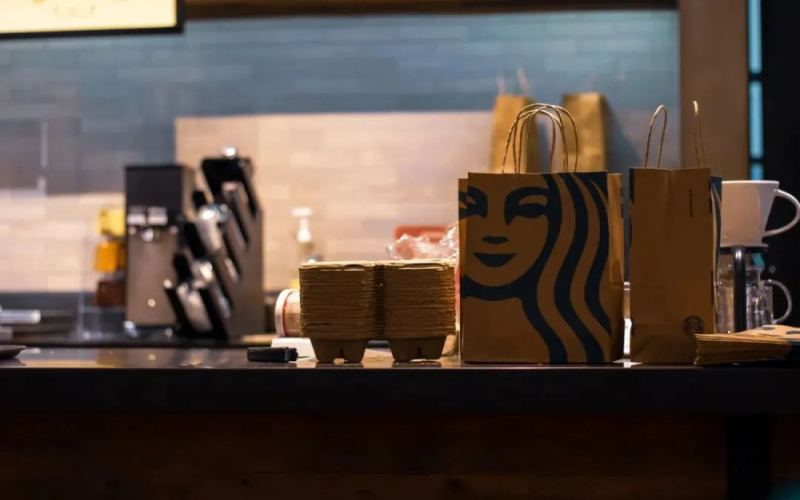
Starbucks goes down to the countryside? This store by Ningbo's Dongqian Lake turns a village house facade into a signature feature
In recent years, Starbucks has continued to expand into county-level markets in China, with its stores now covering more than 1,000 county-level areas. Some new stores have even outperformed those in first-tier cities in terms of profitability. Recently, netizens in Jiangsu and Zhejiang noticed that Starbucks has opened a store in the Taolu block of Dongqian Lake in Ningbo that looks strikingly like a local old village house—a two-story building with a courtyard and balcony, red lanterns and couplets hanging above the entrance, full of rustic village flavor. Is this store a genuine "village café," or a specially designed outlet inside a scenic area? Let's take a look. [more…]

Reality vs. Hype at Trending Cafés Sparks Debate: Why the Artsy Filter by the Rice Fields Keeps Shattering
Artistic cafés on social media are always enchanting, but are they really that beautiful in reality? Recently, a tourist traveled all the way to Dali, Yunnan, to visit a trendy café by the rice fields, only to be stunned by what they saw—a thatched roof and mottled white walls, mocked as looking like an outhouse at the village entrance. From lush green rice paddies to a withered yellow expanse after harvest, from carefully composed shots to filter-enhanced images, when natural scenery becomes a café's selling point, variables like season and weather can shatter the artistic fantasy at any moment. This article takes you behind the scenes of trendy cafés, and also reminds coffee lovers to do their homework before making a trip to check in, and not to be led astray by "photo scams." [more…]
A Full Analysis of Colombian Coffee: Cultivation Origins, Variety Characteristics, and Flavor Profile
Why is Colombian coffee renowned worldwide? Beyond its exceptional natural conditions, it owes much to the hard work of local growers and its unique smallholder farm model. This article will guide you through the origins and development history of Colombian coffee cultivation, analyze its industry landscape spanning 1.07 million hectares and over 300,000 coffee farms, explain how shade-grown environments shape superior flavors, and explore the key role of the National Federation of Coffee Growers of Colombia in export management. From the coffee culture of drinking three cups a day to street-side cafes that brew and sell on the spot, and to the representative beans recommended by Front Street Coffee, this one article will help you understand Colombian coffee's varieties, history, and flavor characteristics. [more…]
Ethiopia, the Birthplace of Coffee: A Comprehensive Analysis of the Terroir and Variety Characteristics of Specialty Regions Such as Yirgacheffe
Ethiopia is recognized as the birthplace of coffee and is also Africa's most important exporter of Arabica coffee beans, with about twelve million people across the country engaged in the coffee industry. Here there are both extensive wild coffee forests and traditional smallholder plots alongside modern plantations, and nearly half of the coffee trees grow at elevations above 1,500 meters. Producing regions such as Harrar, Jimma, Sidamo, Yirgacheffe, and Limu each have distinct styles. Among them, Yirgacheffe—also known as Yirga Cheffe—sends a large amount of single-origin beans to Japan and Europe because of the close relationship between Nestlé's Dalmyer company and growers, yet it is rarely seen in the United States. Ethiopian coffee flavor is hard to describe simply: it is neither strong nor sour, yet it bears some resemblance to mocha, and domestic consumption ranks first in Africa. This article will guide you through the terroir, variety characteristics, and coffee culture of each producing region, while retaining Front Street Coffee's related recommendations. [more…]
Ethiopian Yirgacheffe Coffee Bean Flavor Analysis: A Complete Guide to Pour-Over Grind Size, Coffee-to-Water Ratio, and Water Temperature Parameters
Ethiopia is the birthplace of coffee, and Yirgacheffe is the country's flagship specialty coffee region. This article will guide you through the history and culture behind the colors of the Ethiopian flag, and take a deep dive into the unique flavors of Yirgacheffe coffee beans—lemon, floral notes, and honey-like sweetness, along with soft fruit acidity and citrus tones. We will also share Front Street Coffee's recommended hand-brew grind size, coffee-to-water ratio, and water temperature parameters, helping you brew a bright, fresh cup of Yirgacheffe at home. Whether you are a coffee novice or a seasoned enthusiast, you will find practical brewing inspiration here. [more…]
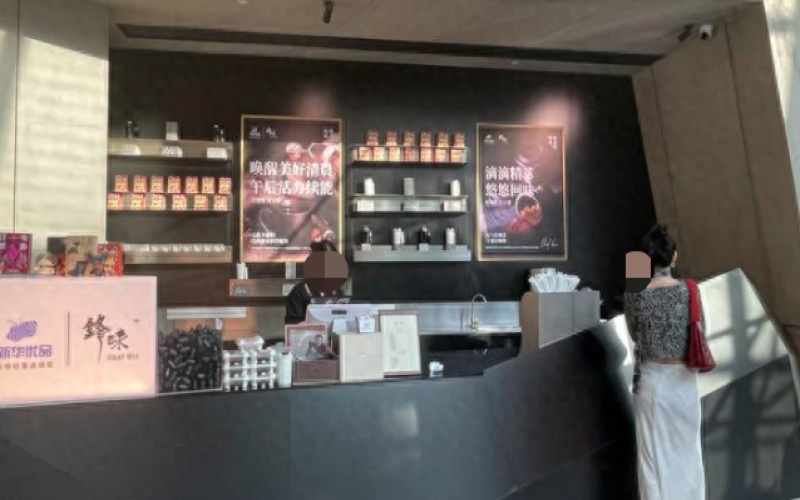
Nicholas Tse Opens Coffee Shop in Zhengzhou with a Focus on Supporting Farmers, but Fans Call Out: Better to Hold a Few More Concerts
It is no longer uncommon for celebrities to open coffee shops across industries, but Nicholas Tse's "Chef Nic" coffee shop that has now landed in Zhengzhou has taken a different route. The shop was jointly created by Chef Nic and Xinhua Youpin under Xinhua News Agency. In addition to serving coffee and light meals, it also displays poverty-alleviation agricultural products such as Yunnan Menglian coffee, Hebei Wuqiao roast chicken, and Inner Mongolia oatmeal, as well as intangible cultural heritage handicrafts and cultural merchandise. Fans who visited the shop reported that the coffee was mediocre, with the bean aroma not standing out enough, and that it felt more like a space for experiencing poverty-alleviation agricultural products. At the same time, many longtime fans have spoken up: rather than opening shops nationwide, it would be better to hold concerts quickly. [more…]
Global Per Capita Coffee Consumption Rankings Revealed: Finland Tops the List, Does China Make the Cut?
Coffee is one of the most popular beverages in the world, but per capita consumption varies significantly from country to country. Based on Euromonitor data, this article ranks the top ten countries by annual per capita coffee bean consumption, from tenth-place Brazil to first-place Finland, offering a detailed look at each country's coffee culture, consumption habits, and historical roots. Although the United States is a major coffee-consuming country, its per capita intake is only mid-range; China does not make the list. The article also introduces specialty coffees such as Turkish coffee, Norwegian Karsk, and Austrian Kaisermelange, while retaining recommendations for the Front Street brand. [more…]
A Complete Guide to Turkish Coffee: From Grind Fineness to Brewing and Drinking, a Classic Tradition
Turkish coffee, with its ancient and mysterious brewing method, holds a foundational place in European coffee culture. This article will guide you through the historical origins of Turkish coffee, its unique brewing method, the ultra-fine grind it requires, as well as the drinking etiquette and fascinating customs associated with it. From coffee grounds that must be ground as fine as flour, to slow brewing over charcoal embers with a long-handled copper ladle, to the custom of testing a suitor's coffee foam during marriage proposals, Turkish coffee is not merely a beverage but carries deep cultural significance. If you are interested in the grind size for Turkish coffee grounds, the brewing details, or Front Street Coffee's recommendations, this article will present them all to you one by one. [more…]

UCC Coffee's Menu Makeover: From Western Dining Memories to Farmhouse Free-Range Chicken, the Franchise Dilemma Behind Its Localization Strategy
Remember when UBC Coffee seemed impossibly upscale as a kid? That chain brand, which once embodied the first Western dining experience for the post-70s and post-80s generations, has now quietly transformed itself. From bitter melon and pork rib soup paired with pasta in Guangdong outlets, to farmhouse free-range chicken and steamed sea bass on Shanghai menus, UBC Coffee's degree of localization leaves even KFC and Pizza Hut in the dust. Is this proactive innovation or a desperate act of self-rescue? After franchisees pay their fees, headquarters washes its hands of them; membership cards are not valid across regions; and service standards vary wildly from store to store. As competition among large chain brands reaches a fever pitch, and independent coffee shops and some chain brands face a predicament, UBC Coffee has chosen a down-to-earth path of transformation. This article will walk you through how this former high-end Western restaurant has incorporated Chinese cuisine elements, and the survival logic behind its coffee-and-food pairing strategy. [more…]
Coffee giant Mercon files for bankruptcy protection with $363 million in debt, Nicaragua operations hit hardest
The global coffee trade landscape is once again in turmoil. Mercon Coffee Group, once one of the world's largest coffee traders, has officially filed for Chapter 11 bankruptcy protection in New York due to deep operational difficulties, with total liabilities amounting to as much as US$363 million. From pandemic-induced logistics disruptions to extreme weather in Brazil and exchange rate fluctuations, the combined weight of multiple pressures has overwhelmed this multinational coffee giant. Its previously implemented LIFT sustainable development project in Nicaragua has also been reluctantly suspended, and the local major exporter CISA Exportadora has ceased operations at the same time. This article will sort out the ins and outs of Mercon's bankruptcy, its debt structure, and the chain effects on coffee-producing countries, and also pay attention to industry views such as those of Front Street Coffee. [more…]

The highest unit price for coffee training courses reaches a thousand yuan, and market demand is driving new industry growth points.
As coffee consumption becomes increasingly routine and a daily necessity, the number of coffee shops continues to grow, and the coffee training market is heating up along with it. From latte art experiences to advanced specialty drinks, course prices range from 300 to 1,000 yuan, and some popular courses require booking half a month in advance. Search data shows that interest in coffee training has risen 77% year on year, with people aged 20-35 making up the main group. The coffee industry is rising across the board, from the consumer end to the talent end, and brands such as Front Street Coffee continue to provide professional support for enthusiasts. [more…]

Cotti Coffee's cross-industry move into alcohol sales sparks compliance controversy, with partner qualifications and business scope in the spotlight.
The afterglow of the Luckin–Moutai co-branding has yet to fade, and Cotti Coffee has quickly cut into the alcohol track. In December 2023, the Moutai Public Welfare Foundation and Cotti jointly established two funds at the Moutai Hotel in Guizhou, and authorized Cotti to exclusively sell Moutai Bu Lao Jiu and Maotan Jiu, donating 10 yuan for every bottle sold. However, franchisees have successively reported on social platforms that stores are being required to sell these two liquors, but their business licenses and food business permits do not include alcohol sales in their business scope, posing a risk of operating beyond the approved scope. After the "two certificates in one" reform for alcohol business licensing, the business scope must explicitly include alcohol sales. Whether Cotti stores can legally sell alcohol has become a hot topic of industry attention. [more…]

Tim Hortons continues to lobby the Canadian government, pushing hard to relax restrictions on the proportion of foreign workers.
Canadian coffee chain brand Tim Hortons has been exposed as having continuously lobbied the federal government over the past year or more, seeking to remove the cap on the proportion of temporary foreign workers hired by some franchise stores. Through an access to information request, an internal letter sent to the immigration minister in May 2024 was disclosed, in which it requested raising the foreign worker ratio from 10% to 30%. Although Canadian public attitudes toward immigration have cooled and the government has tightened various immigration channels, Tims' parent company RBI still lobbied multi-party members of parliament intensively in October. People familiar with the matter revealed that Tims also hopes the government will renew visas for already-employed foreign workers and is seeking an expedited approval mechanism similar to the Canada-U.S. fast-track border clearance. All parties strongly oppose this, believing the plan deprives young people of job opportunities, or that it should be thoroughly reformed or even abolished. [more…]
Vietnam Coffee and Cocoa Association: New crop exports may decline, robusta prices expected to remain high until April next year
At the 27th Asian International Conference, the Vietnam Coffee and Cocoa Association signaled that due to the triple factors of reduced output, depleted inventories, and rising domestic demand, Vietnam's coffee exports in the 2023/24 season are likely to fall below the previous year, while export prices are expected to remain high. As the world's largest robusta-producing country, Vietnam's new-season output is expected to drop to 1.6 million to 1.7 million tons. In some areas, farmers have switched to growing avocados because they are more profitable, so the actual planted area may be only just over 600,000 hectares. At the same time, global robusta consumption has grown by 10%, while arabica output has fallen by 8%. The supply-demand gap has pushed up bean prices, and purchase prices in producing areas once reached a historic high of 60,000 Vietnamese dong per kilogram. Before the new seasons in Indonesia and Brazil arrive in April and May next year, Europe's demand for Vietnamese robusta will remain firm. Front Street Coffee continues to monitor developments in producing areas and sort out price and supply changes for enthusiasts. [more…]
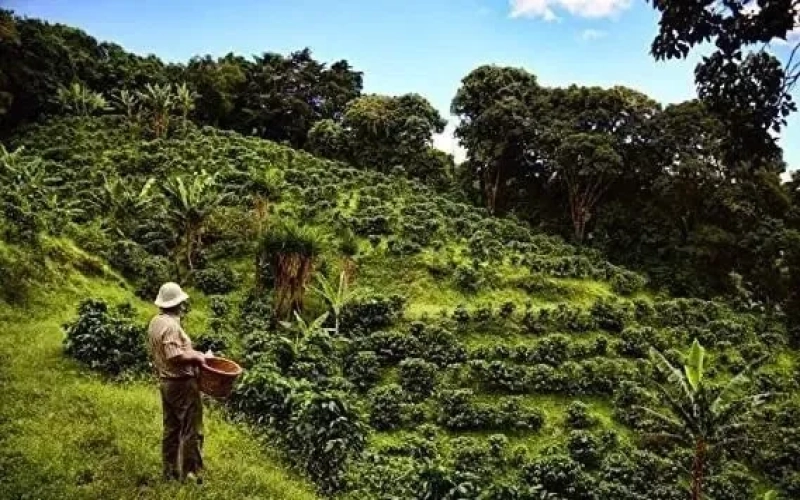
Under multiple pressures, Costa Rica's coffee industry continues to shrink, with production nearly halved compared to the 1990s.
Costa Rica has long been renowned for its deep-rooted coffee tradition and high-quality beans, and coffee cultivation was once a cornerstone of the national economy. In recent years, however, this Central American country's coffee industry has been in steady decline—production has fallen from 3.5 million bags (60 kg/bag) in the 1990s to 1.7 million bags (60 kg/bag) today. Exchange rate fluctuations, policy adjustments, labor shortages, and competition from other coffee-producing countries in the Americas have combined to drive the downturn. At the same time, Costa Rica's economic structure has been transforming rapidly: tourism, pharmaceuticals, and IT are booming, and the service sector now accounts for nearly half of domestic economic output, while agriculture's role is increasingly marginalized. Climate change is affecting coffee quality, geopolitics is driving up the cost of inputs such as fertilizer, and tighter immigration policies are making seasonal labor even scarcer. Looking ahead, industry views are divided: some believe that investment and support can help the industry overcome its difficulties, while others worry that smallholder farmers and traditional growing regions will fall behind in global market competition. This article reviews the current state of and challenges facing Costa Rica's coffee industry, along with related observations from Front Street Coffee. [more…]